Pink Lily Flower in Polygonal Style: A Versatile Design Element for Creative Projects
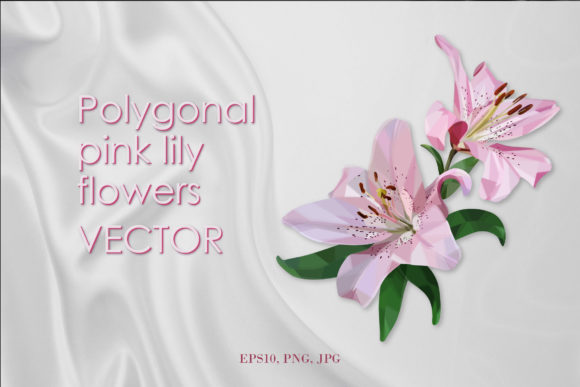
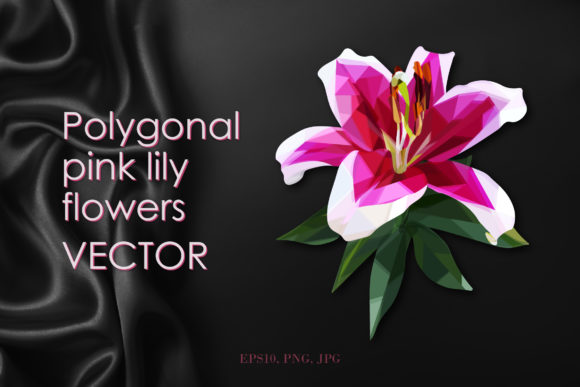
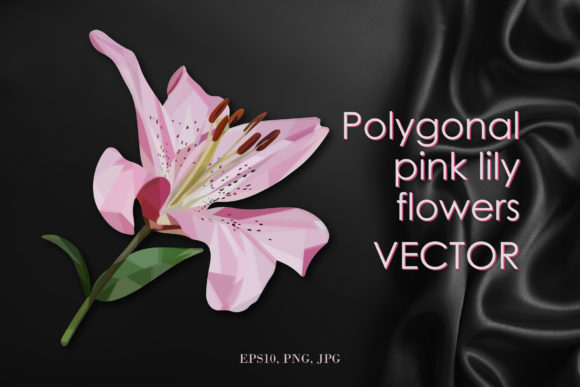
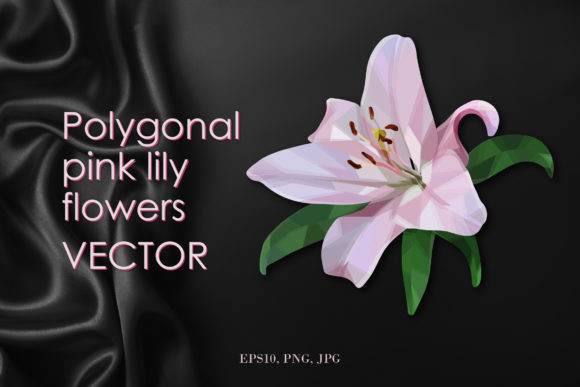
The Pink Lily Flower in Polygonal Style is a unique and elegant design that blends the natural beauty of a lily with the structured precision of geometric shapes. This stylized representation of a lily is ideal for adding a touch of sophistication to various creative and professional projects. Whether you're working on branding, digital art, or print materials, this design offers flexibility and visual appeal that can enhance your work.
Understanding the Pink Lily Flower in Polygonal Style
The Pink Lily Flower in Polygonal Style is a vector-based illustration that uses sharp angles and clean lines to depict a lily. Unlike traditional floral designs, which often emphasize organic curves, this style relies on symmetry and repetition to create a modern aesthetic. The result is a design that is both visually striking and adaptable to different applications.
This design fits into broader creative processes by serving as a foundational element in visual storytelling, branding, and graphic design. It can be used as a standalone icon, a background pattern, or part of a larger composition. Its polygonal structure makes it easy to scale, modify, and integrate into different formats without losing quality.
Using the Pink Lily Flower in Polygonal Style in Different Stages of a Project
The versatility of the Pink Lily Flower in Polygonal Style allows it to be useful at various stages of a project. Before starting a design, it can serve as a source of inspiration or a reference point for color schemes and layout ideas. During the creative process, it can act as a building block for more complex compositions, helping to maintain visual consistency across multiple elements.
After completing a project, the design can be used for quality control checks, ensuring that all visual assets align with the intended style. It can also be repurposed for future projects, saving time and effort in the design phase. For example, if you're creating a series of promotional materials, the same lily design can be adapted for different formats, such as social media posts, banners, or packaging.
Integration with Other Tools and Resources
The Pink Lily Flower in Polygonal Style works well with other design tools and resources. When paired with graphic design software like Adobe Illustrator or Photoshop, it can be easily modified, colored, or combined with other elements. Its vector format ensures that it remains crisp and clear at any size, making it suitable for both digital and print use.
In addition to design software, the lily can be integrated with content management systems (CMS), website builders, and marketing platforms. For instance, if you're running an online store, the design can be used as a logo, product icon, or background element on your site. Its compatibility with multiple file formats—such as EPS, PNG, and JPG—makes it accessible for users with varying technical needs.
Practical Implementation Tips
To get the most out of the Pink Lily Flower in Polygonal Style, consider the following implementation tips:
- Plan your design workflow: Determine how and where the lily will be used before incorporating it into your project. This helps ensure that it aligns with your overall vision and goals.
- Experiment with color variations: While the original design is pink, you can customize it to match your brand's color palette or adapt it for different themes and moods.
- Optimize for different formats: Use the provided PNG and JPG files for web and print applications, and keep the EPS file for high-quality vector editing.
- Maintain consistency: If using the lily in multiple projects, ensure that it is scaled, positioned, and styled consistently to reinforce brand identity.
Workflow Examples and Use Cases
The Pink Lily Flower in Polygonal Style can be applied in a variety of workflows. For example, in a branding project, it could serve as a central motif for a company’s logo, stationery, and digital assets. In a marketing campaign, it might appear as a background element in email templates, social media graphics, or advertisements.
For educators or content creators, the design can be used in presentations, infographics, or course materials to add a decorative yet professional touch. Freelancers and small business owners can leverage it for client proposals, portfolio websites, or promotional flyers, enhancing their visual communication without requiring extensive design skills.
Another practical use case involves event planning. The lily can be incorporated into wedding invitations, party decorations, or corporate event materials, offering a fresh and modern alternative to traditional floral designs.
Factors to Consider for Long-Term Use
When integrating the Pink Lily Flower in Polygonal Style into your routine, consider factors such as preparation, usability, and long-term maintenance. Properly organizing your design assets ensures that you can access and reuse them efficiently. This includes storing the EPS, PNG, and JPG files in a centralized location, along with any customizations or modifications you make.
Usability is another important factor. The design should be easy to edit, resize, and apply across different platforms. Ensuring that it is compatible with common design tools and file formats enhances its value over time. Additionally, maintaining a consistent quality standard when using the lily in various contexts helps preserve its visual impact and professionalism.
Conclusion: Enhancing Creativity with the Pink Lily Flower in Polygonal Style
The Pink Lily Flower in Polygonal Style is more than just a decorative element—it is a functional tool that can elevate your creative and professional work. By understanding its purpose, exploring its applications, and implementing it effectively, you can harness its potential in a wide range of projects. Whether you're designing for personal expression, business branding, or digital marketing, this design offers a refined and versatile solution that supports your workflow and enhances your output.